

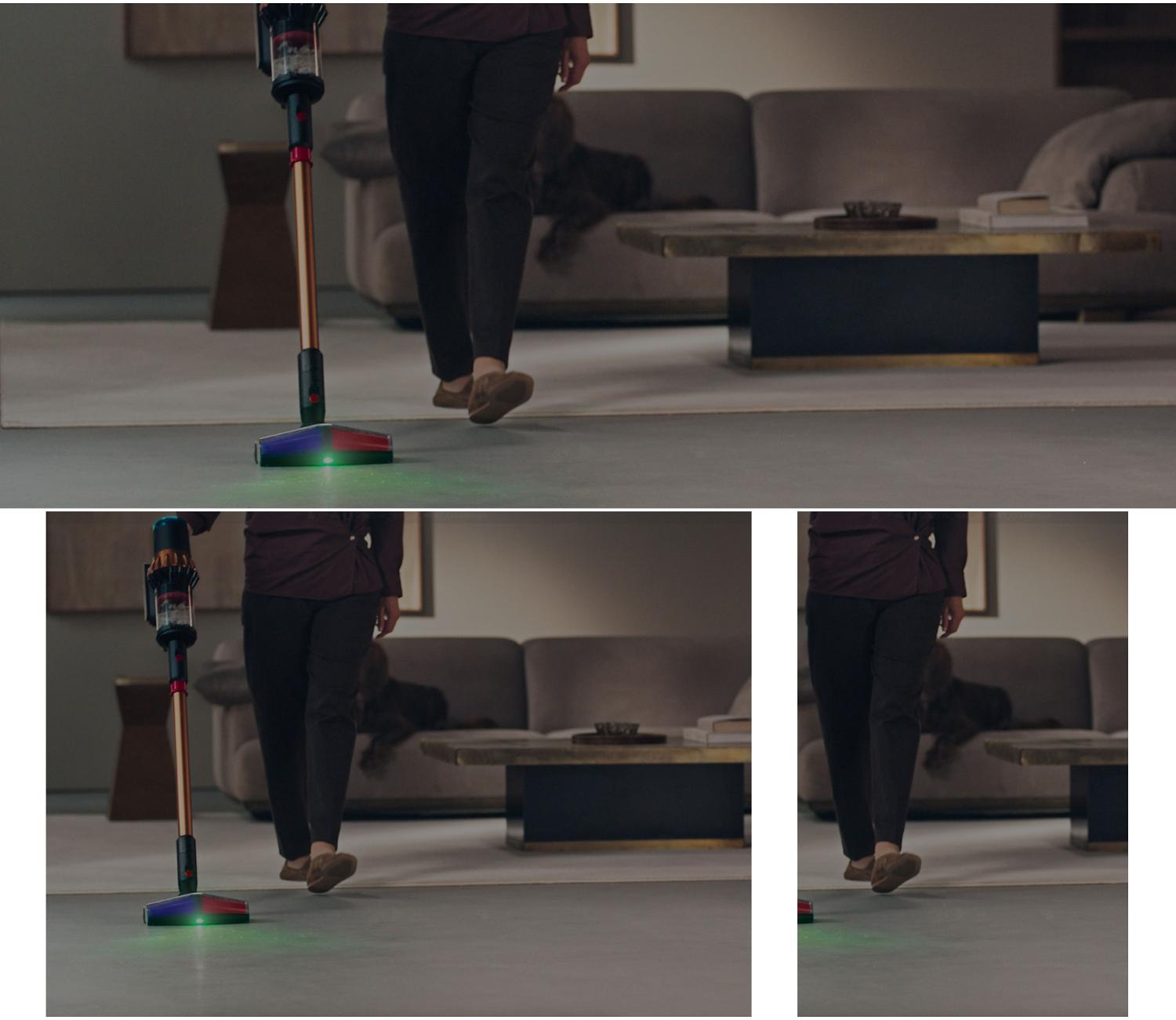


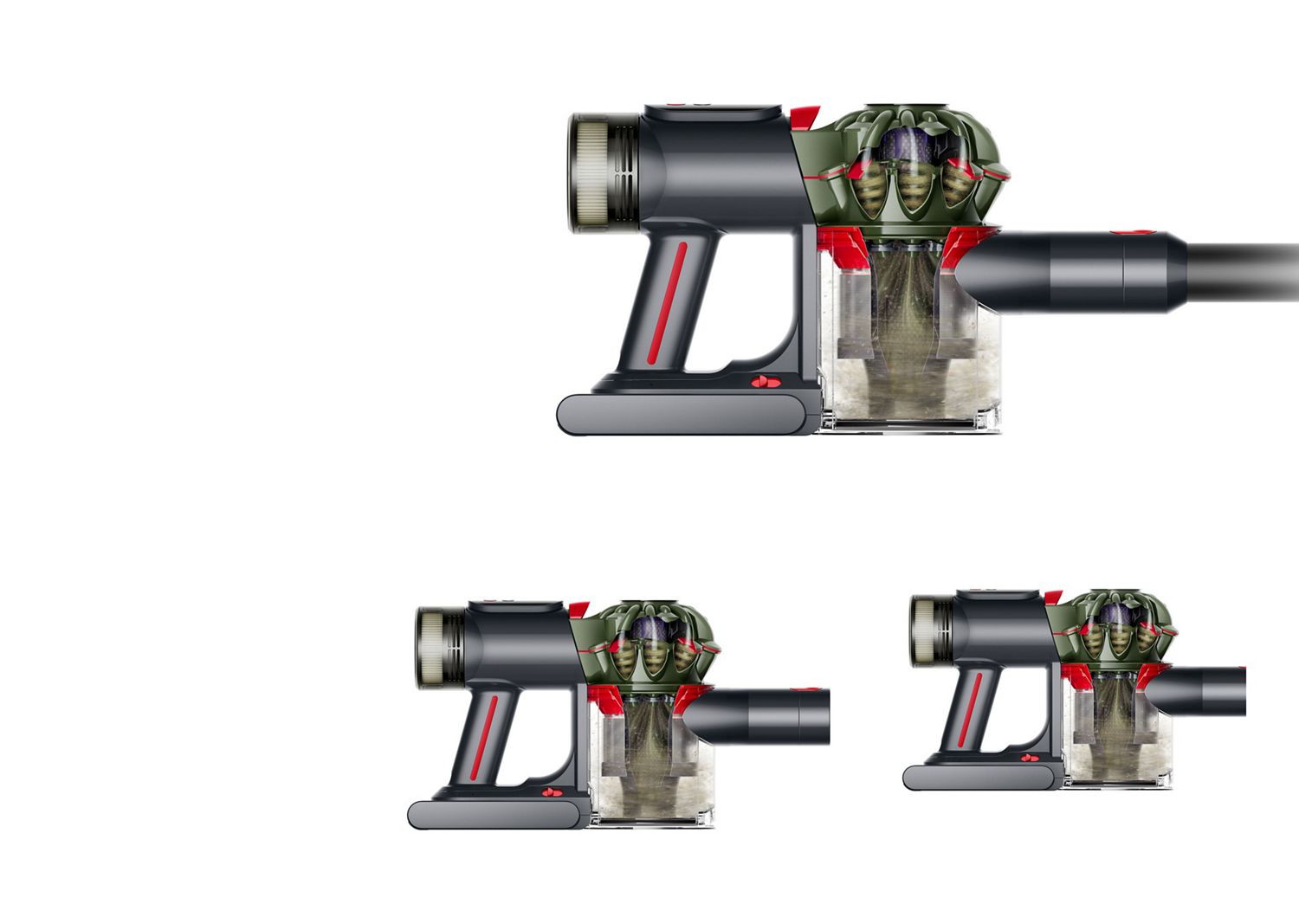
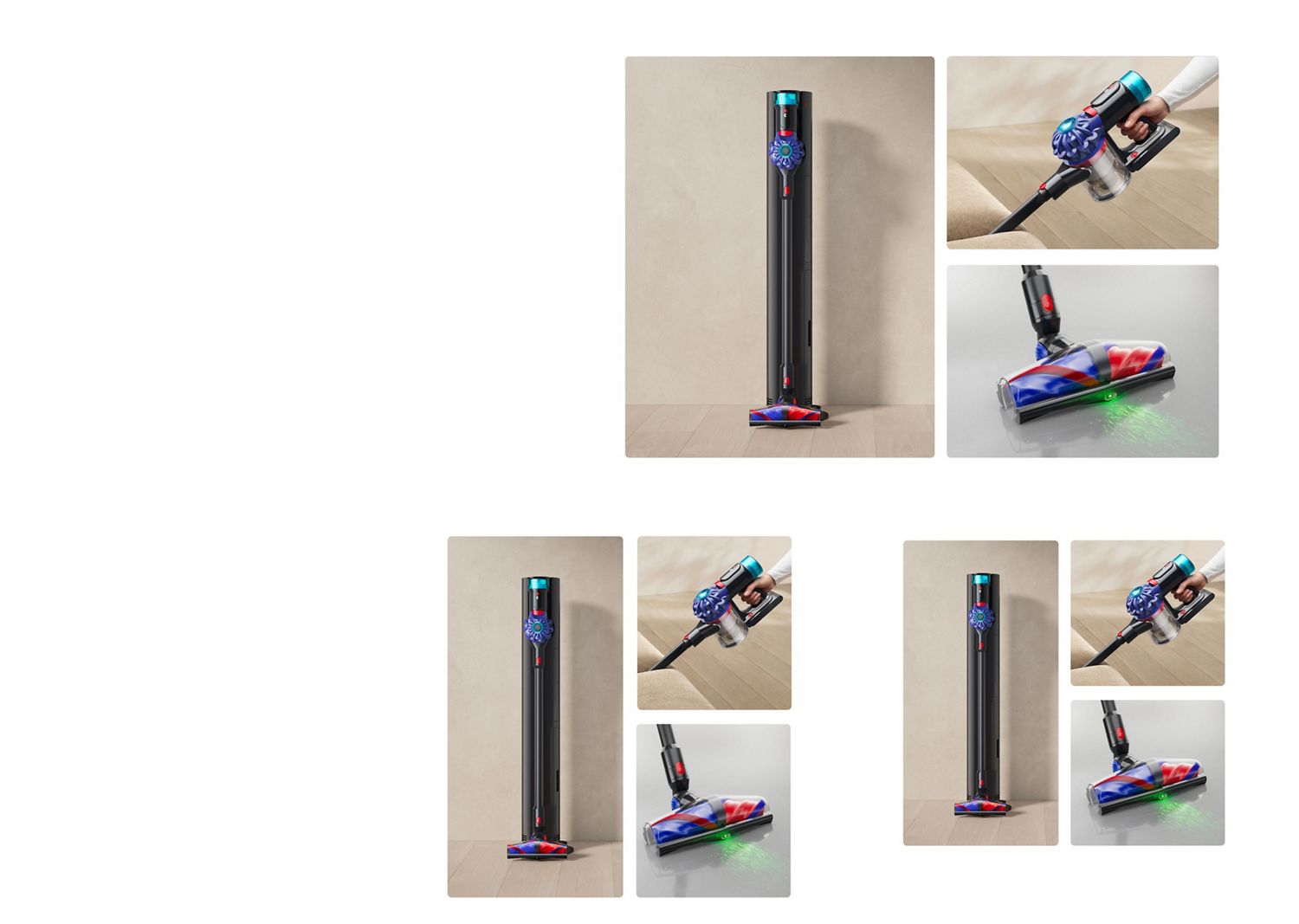
30% more power.⁹
60 minute run time.*
No loss of suction.¹⁰


-

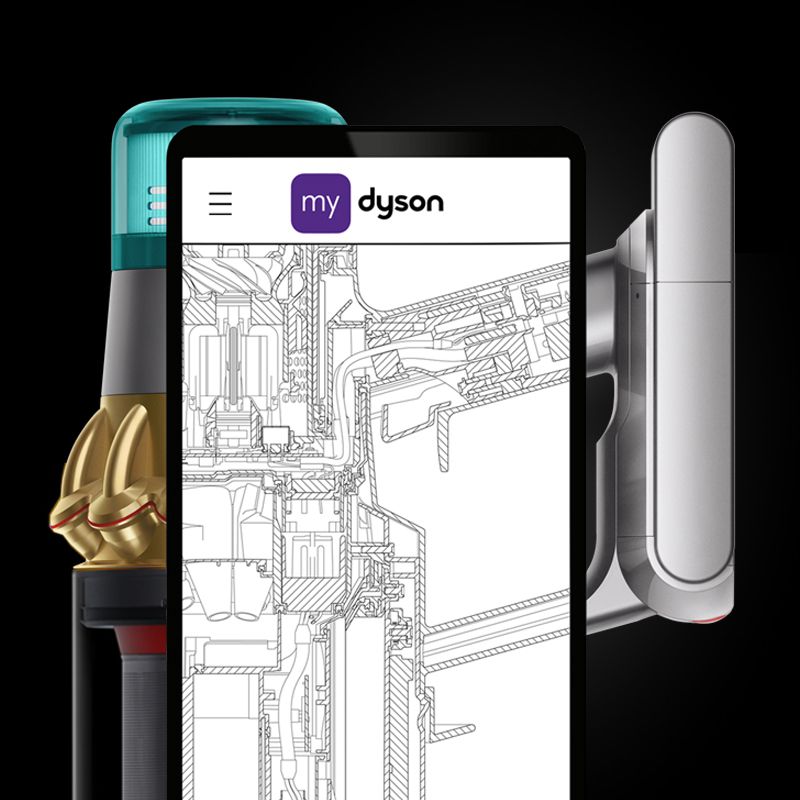
The MyDyson™ App
Download the new app on App Store or Google Play for the best MyDyson™ experience.
-
Dyson Newsletter
Sign up to be the first to hear about our exclusive offers, product launches and events.
-
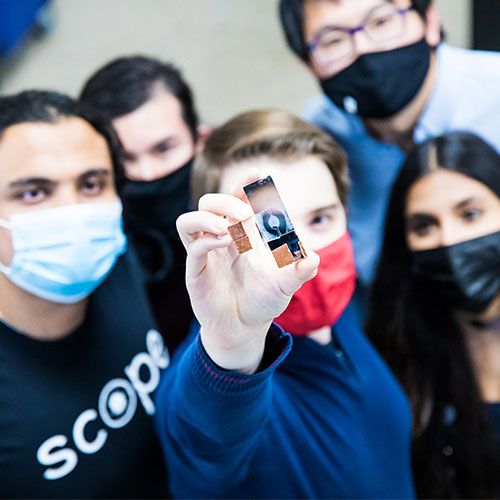
James Dyson Award
Do you have an idea that solves a problem?
WARNING: Avoid counterfeit products, websites and phishing emails. Protect yourself from fraudsters by only shopping direct from Dyson.com and authorized third party retailers. Learn more about scams and counterfeit machines.
Dyson carefully monitors laws and regulations related to warranties and routinely updates its warranty terms and conditions. We endeavor to ensure that warranty terms included with products are updated as quickly as possible, but to ensure you are viewing the current warranty terms and conditions, please visit: The Dyson Limited Warranty Terms & Conditions.
*Applies in Eco mode in handheld configuration. Actual run time will vary based on power mode, floor type and/or attachments used
⁰Suction tested to ASTM F558-21 in Boost mode at the inlet vs Dyson full range of vacuum cleaners.
³Fan; not air conditioning unit.
⁹Compared to the original Dyson V8. Suction power tested to ASTM F558, in Boost mode at the inlet.
¹⁰Suction tested to ASTM F558, in Boost mode at the inlet.